
Yellowstone National Park Fishing Report - June 11, 2026

We've been treated to some classic June weather and excellent fishing this week in Yellowstone.
Cool temperatures and soaking rains bumped streamflows and lowered water temperatures on the Firehole, Gibbon, and Madison, exactly what these geothermal rivers needed to extend their excellent early-season fishing deeper into June.
A return to warmer, drier weather is on tap for the coming week, though temperatures should remain moderate, with daytime highs in the upper 60s to low 70s and overnight lows dipping into the 30s.
Elsewhere in the park, runoff remains in full swing, with many of our favorite summer fisheries still running high and off-color. Even so, the season continues to progress quickly and remains ahead of schedule. Stay tuned over the coming weeks as conditions improve, runoff begins to subside, and more of Yellowstone's iconic rivers come online.
FIREHOLE RIVER
Cold, scuzzy weather returned to Yellowstone this week. Soaking rain, daytime highs in the 40s, and dark, overcast skies are perfect conditions for the Firehole in June.
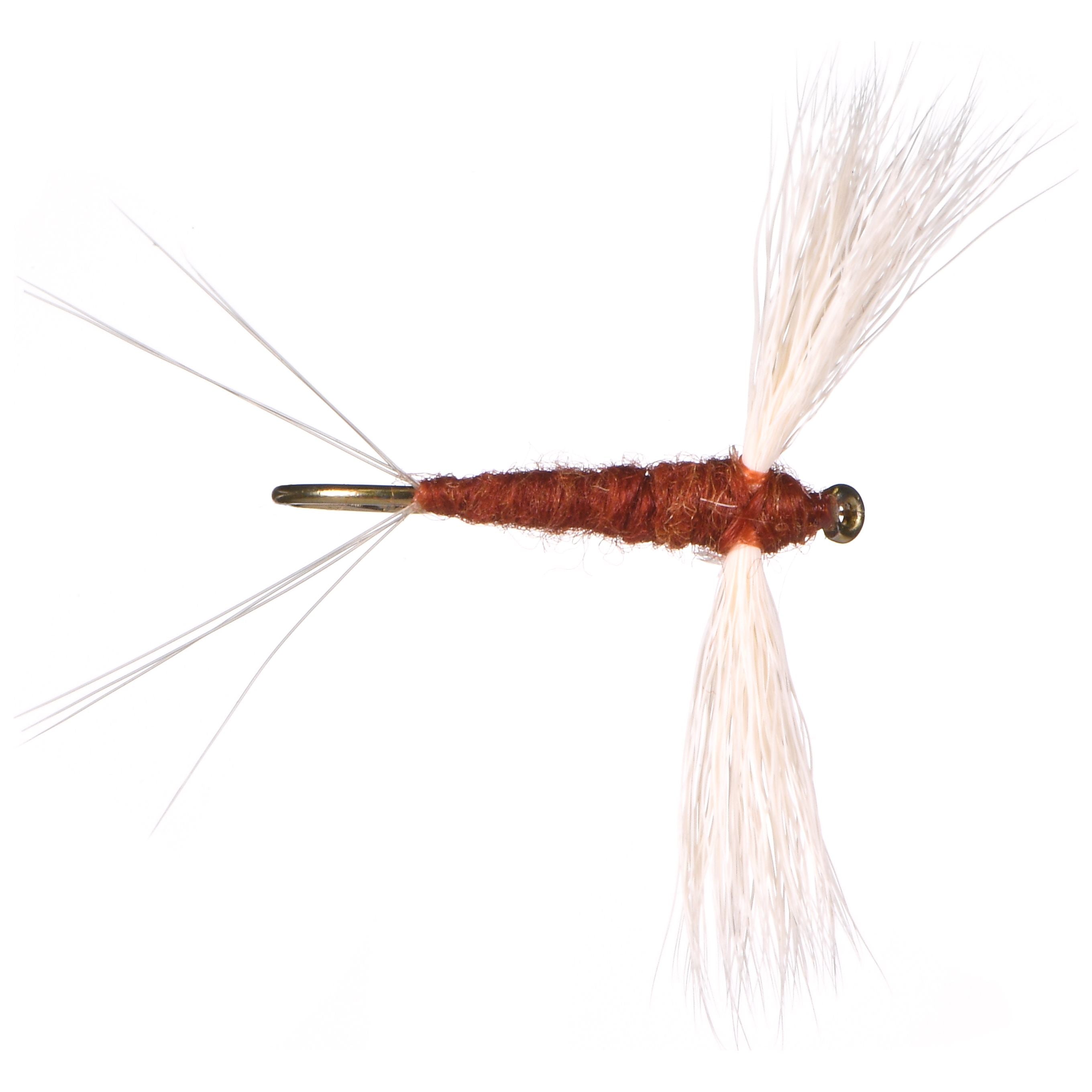
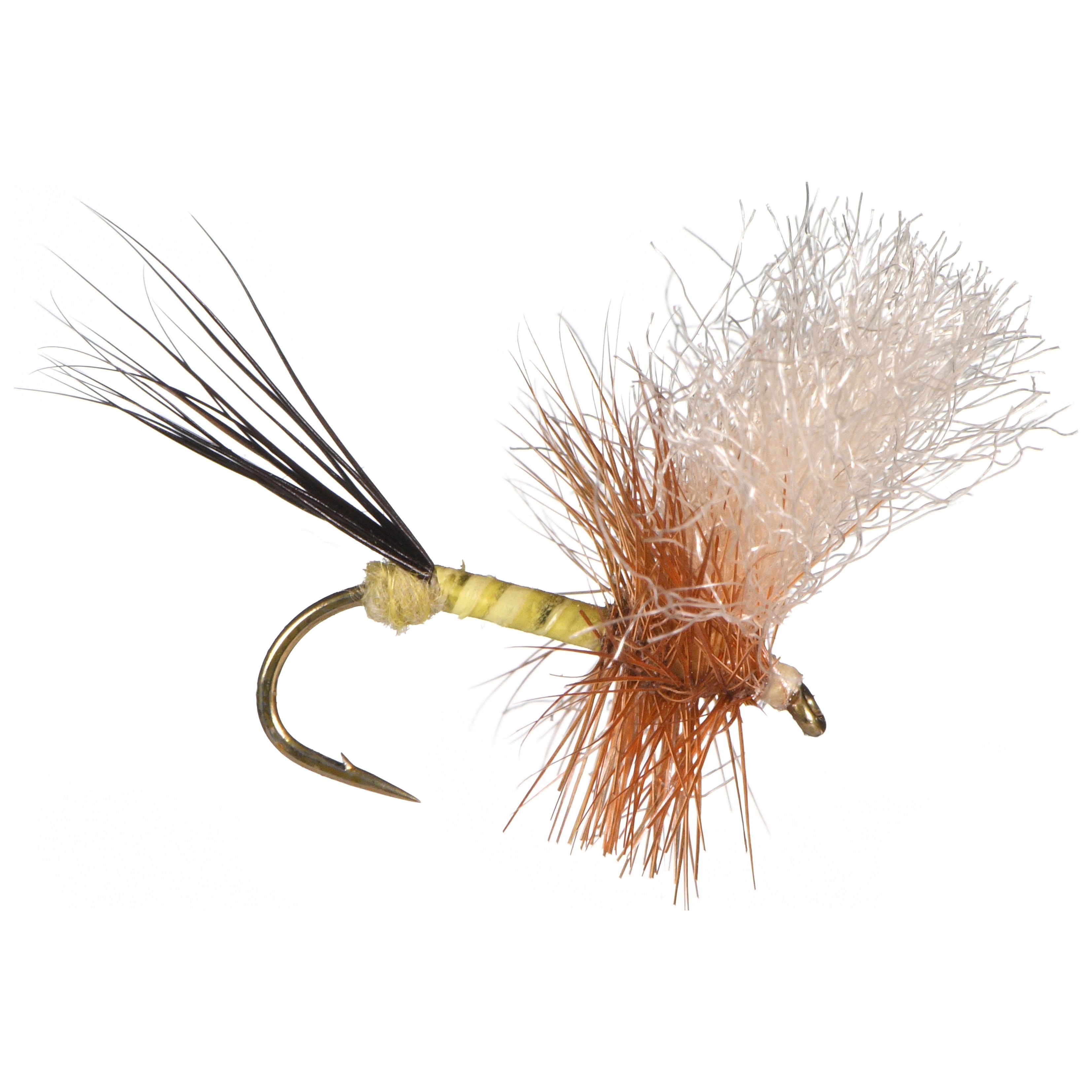
Good hatches of Pale Morning Duns and Baetis mayflies brought fish to the surface throughout the week. Despite the cool weather, lower-than-average flows and relatively warm water temperatures kept insect activity ahead of schedule. PMDs began hatching as early as 10:00 a.m., rewarding anglers who arrived early despite the rain with steady numbers of rising fish.
As warmer, sunnier weather returns over the coming days, expect PMD emergences to begin even earlier in the morning, followed by increasingly consistent spinner falls. Evening fishing should continue to improve as Hydropsyche and White Miller caddis become more abundant.
Bright, sunny days also provide excellent conditions for swinging soft hackles on this iconic wet-fly fishery. When the surface activity slows, tie on a favorite Partridge and Yellow or another traditional soft hackle and swing it through the riffles. It remains one of the most enjoyable and effective ways to fish the Firehole.
GIBBON RIVER
Not much has changed on the Gibbon, which remains one of the park's most versatile fisheries. Anglers can choose between the pocket water above and below Gibbon Falls or the slow, meandering meadow sections farther upstream. The recent cool weather kept conditions favorable throughout the river, and both Baetis and PMDs have produced steady dry fly activity.
In the upcoming week, warm, calm mornings will offer the best opportunity to find rising trout on PMD spinners in the meadow stretches, while a dry-dropper or light nymph rig continues to produce well in the canyon water.
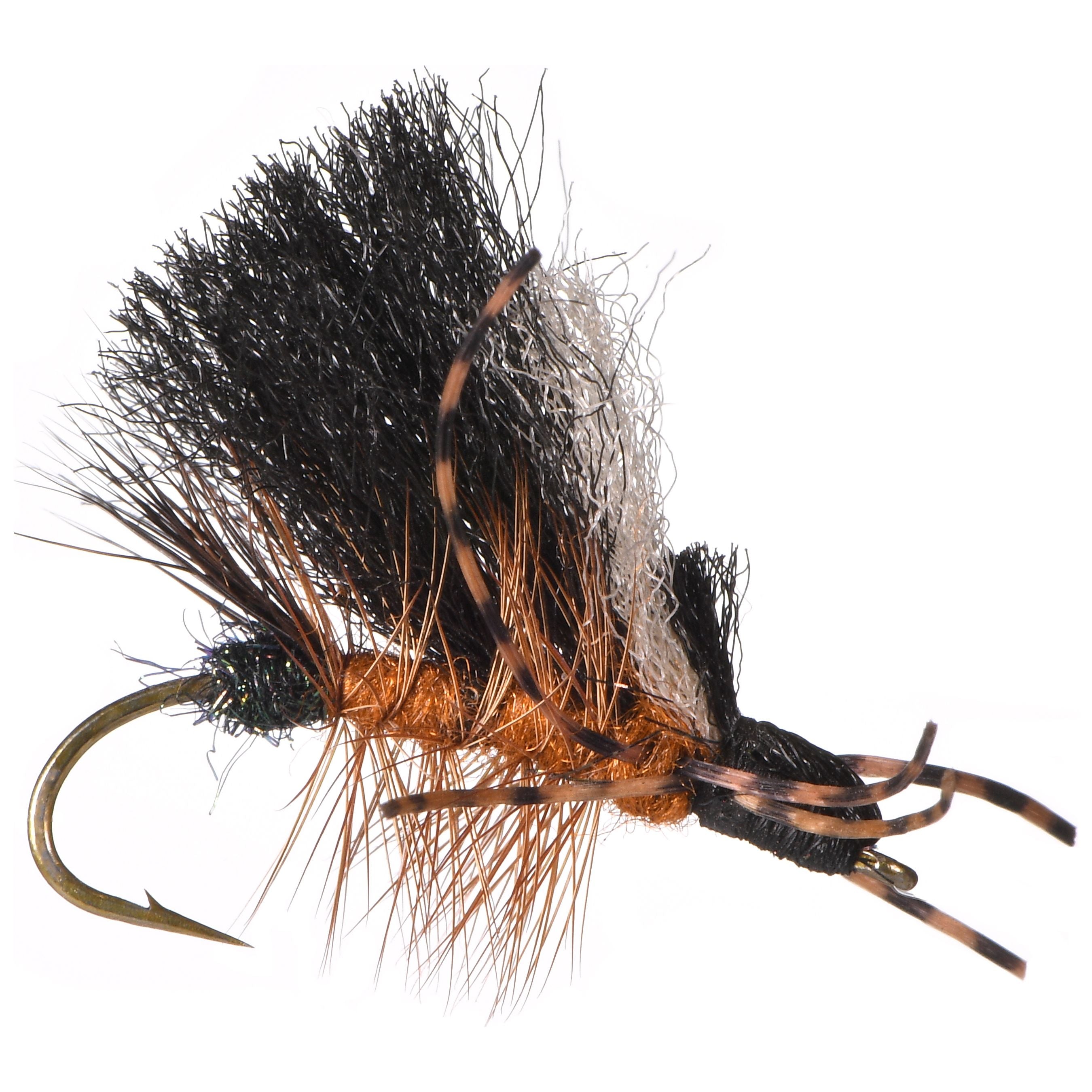
Anyone fishing the Gibbon meadows should also keep an eye out for Bibios. These lesser-known insects belong to the Diptera order (true flies) and spend nearly their entire lives in moist soils along streamside meadows, where they feed on decaying vegetation before emerging as adults. Clumsy fliers by nature, they are easily blown or knocked onto the water, where they become an easy meal for opportunistic trout. Roughly the size of a #14–16 fly, Bibios are often imitated surprisingly well with a simple flying ant pattern.
MADISON RIVER (inside YNP)
With warmer weather in the forecast, the Madison will once again be an excellent place to hunt heads during calm mornings. Focus on the slower runs and flat water, where Pale Morning Dun spinner falls in rusty and olive (#16–18), along with sparse PMD emergences, should bring trout to the surface as long as the wind cooperates.
Once the afternoon breeze arrives, consider making the short drive to the Gibbon. The meadow sections are worth exploring for trout feeding on Bibios along grassy undercut banks, while the canyon reaches offer excellent fishing for westslope cutthroat on attractor dry flies or a dry-dropper rig.
Lakes
The weeks following ice out remain one of the best times of the year to fish Yellowstone's lakes. Shoshone, Lewis, Grebe, and Yellowstone Lake are all providing excellent opportunities as trout continue to patrol the shallow margins in search of leeches, damselfly nymphs, Callibaetis nymphs, and other early-season forage. Look for fish cruising within a rod length of shore during the warmest part of the day, particularly on calm mornings after the sun has had time to warm the shallows.
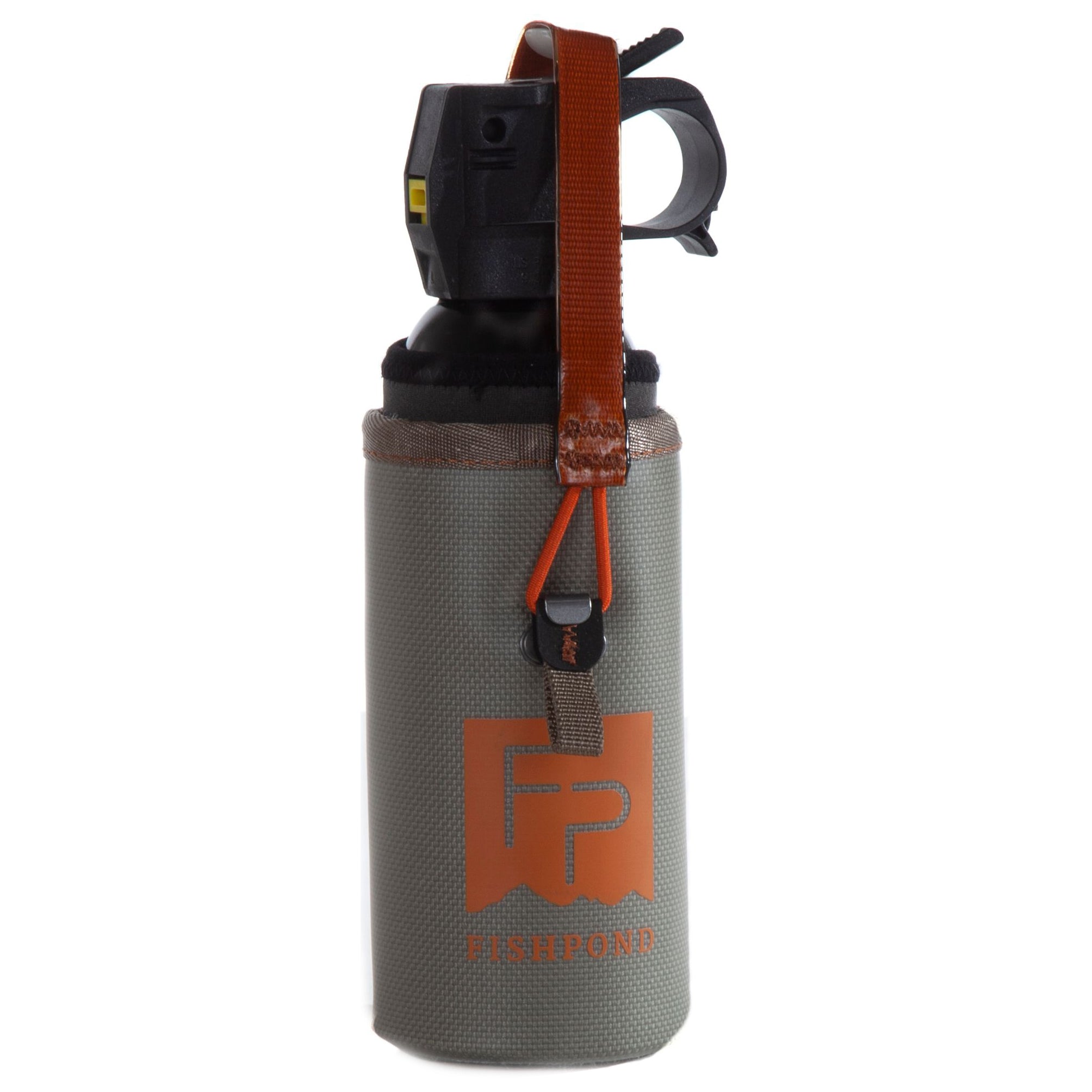
As always, if you venture into any of the backcountry lakes, be sure to carry bear spray and remain bear aware. Spring is an especially active time for bears in Yellowstone, and many of these lakes lie in prime bear habitat.
Stay Safe in Bear Country
- Stay 100 yards away from bears at all times.
- Carry bear spray and know how to use it.
- Be alert. See the bear before you surprise it. Watch for fresh tracks, scat, and feeding sites (signs of digging, rolled rocks, torn up logs, ripped open ant hills)
- Make noise
- Hike in groups of three or more people.
- Don't hike at dawn, dusk, or at night, when grizzlies are most active.
- Don’t run from a bear.
Now that we have reached the general open season in the Park, more options will come into shape every week. If the current trend continues, many of the fisheries we start visiting in late June might be worth checking out over the coming weeks. Keep a close eye on the current weather and water conditions, and always feel free to give us a shout in the shop (406) 646-7801 for the most up-to-date info.