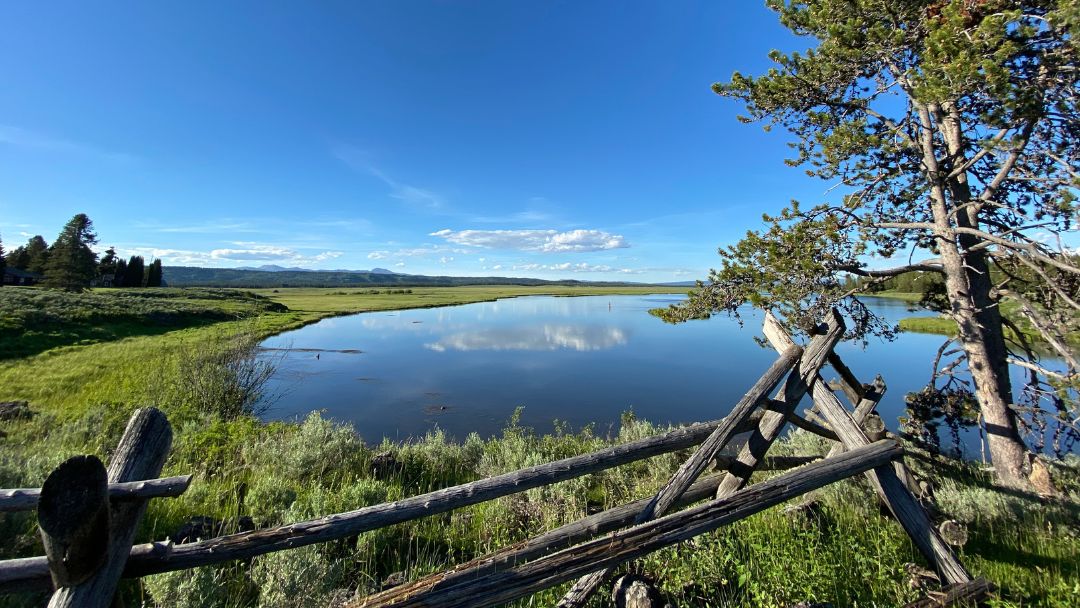


Henry's Fork Report - October 1, 2026

Henry’s Fork Streamflows
Island Park Dam: 170 cfs
Ashton Dam: 687 cfs
St. Anthony: 778 cfs
Fall River: 349 cfs
Low, cold and clear water are the conditions on the Henry’s Fork this week. Flows have been dropping incrementally through last Saturday, and have been relatively stable since then. Though additional decreases are likely in the near future, flows will remain low from here through the end of the season. The river is exiting Island Park Dam with high turbidity but clarity improves over the first ¼ mile after the confluence with the Buffalo River and fishing conditions remain good throughout the system. With low water comes weeds and plenty of them, anglers should expect to deal with weeds both drifting in the water column as well as anchored mats throughout the river, especially in slow reaches. Trout are biting throughout the system, fishing reports favorable in many reaches. The weather report is showing more of the same beautiful fall days without much precipitation, so bring your layers and be ready for some spectacularly beautiful days on the water!
Box Canyon
The Box is low at current flows, but still passable for those who don’t mind leaving a fair bit of gel coat on the rocks. Anglers should expect a bumpy ride and rowers will need to leave the middle seat and walk the boat through some reaches, prepared to push the boat over a few flat topped boulders along the way. In exchange for this extra effort, anglers can be rewarded with some great fishing and relative solitude. The Box’s residents are more concentrated in low flows such as these and with fall conditions and low water temperatures, they’re happy to be eating on most days. Wade anglers can enjoy more favorable conditions as well at these flows, just be sure to bring a wading staff as the square boulders of the canyon can trip up the strongest of waders. Nymph fishing will produce the most favorable results and anglers will need to adjust both weight and depth to stay out of the weeds but in front of the trout. Streamers can be fun as well, but will generally be better during periods of low light or in the faster reaches of the canyon. Nymphs should be small overall, with sizes 14-20 the most common. We are using a standard selection in here, just sized down a bit for fall fishing: : unweighted PTs, red and brown Zebra Midges, Split Case PMDs, Rednecks #16-20 and Rubberlegs stonefly nymphs #10-12. Many perdigons will work but we especially like Olive Hot Spots, Spanish Bullets, Jakes’ SH, Black Daggers and red Jig Napoleons #16-18.
Railroad Ranch
At these flows larger trout are pretty well concentrated into areas with access to deeper water. Anglers should expect to cover some ground while looking for quality targets, and slow down once you come across one, there are likely to be more in the area. There are bugs around with some mahoganies around on sunny days and quite a few more on cloudy ones. Baetis behave about the same, and lots of small pseudos and spinners on most days. Weeds are a major factor but can be used to your advantage, especially when approaching quality trout, weed mats can help to conceal your wake and allow you to get closer to trout than you might be able to otherwise. Drifting weeds are a fishing hazard and anglers must develop ways to keep their flies clean and use maximum pressure on trout during battle to increase the odds of landing them. There is some quality game around, but it will be more sparse on sunny days, cloudy days will bring out the best conditions. We like all forms of Mahogany duns and emergers, including floating nymphs. Baetis in many varietals, especially Quigley’s Sparkle Flag dun, and a variety of small spinners should always be kept on hand. A small selection of dark caddis #16-20 is worth having and a few terrestrials in the box are still a good idea, be sure to have small hoppers, ants and beetles represented.
Canyon Country
The canyons of the Henry’s Fork are low but in good shape. Each of these sections is a full day’s endeavor at the moment with current flows, but the river’s holding water is penetrable with flies and good opportunity is found throughout. As long as the weather remains fair, these sections will be a good choice for skilled oarsmen and those with inflatable rafts. It’s hard to beat a dry/dropper rig in here, but streamers can work as well. Bring extra layers as it doesn’t take much for temperatures to drop in here.
Warm River to Ashton
This section continues to be one of the most consistent sections of the Henry’s Fork, with good action on small to medium sized trout. This time of year, there are a few more large trout mixed in there as well. Most reliable are indicator nymphing rigs, but this is a terrific time of year to fish a streamer through these runs with some success. One needn’t veer too far from the fly selection proposed for the box canyon as far as nymphs are concerned, but a variety of streamers and streamer tips can be employed in this section with its diversity of water types. Anglers should also remember to bring along their dry fly boxes and have some baetis and mahogany patterns on hand, high viz patterns like Purple Haze and Parawulffs will suffice if the opportunity presents.
Below Ashton Dam
The lower river is fishing well but remains a subsurface game unless there are clouds in the sky. Nymphing and dry/dropper rigs prevail until there are enough bugs to bring these trout to the surface. Streamers are a fair bet as well, we like single hook flies that can shed weeds easily like the BSA Bouface, or even feather streamers such as Matukas or Spruce Flies can be handy. Nymphs should be small and indicative of baetis, and dry flies should represent the same as well as mahoganies. Small caddis are a possibility, best to have a few of those as well in the smaller sizes 16-20.
Good luck out there!!