
Yellowstone National Park Fishing Report - August 28, 2026
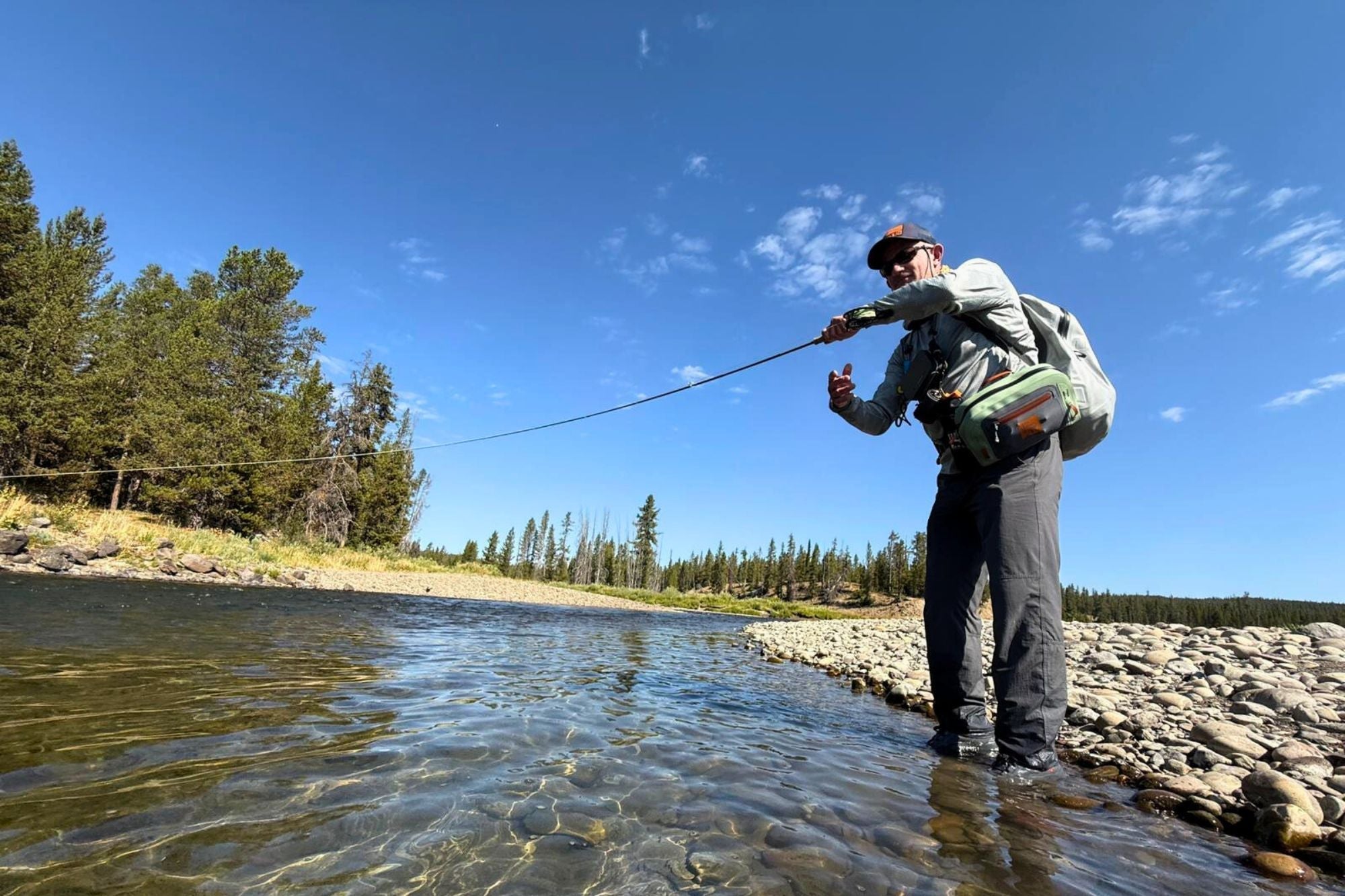
Here's this week's Yellowstone National Park Fishing Report.
The big news out of the Park this week is the return of some much needed moisture and the start of Fall hatches.
Northeast Corner – Slough, Soda Butte & Lamar
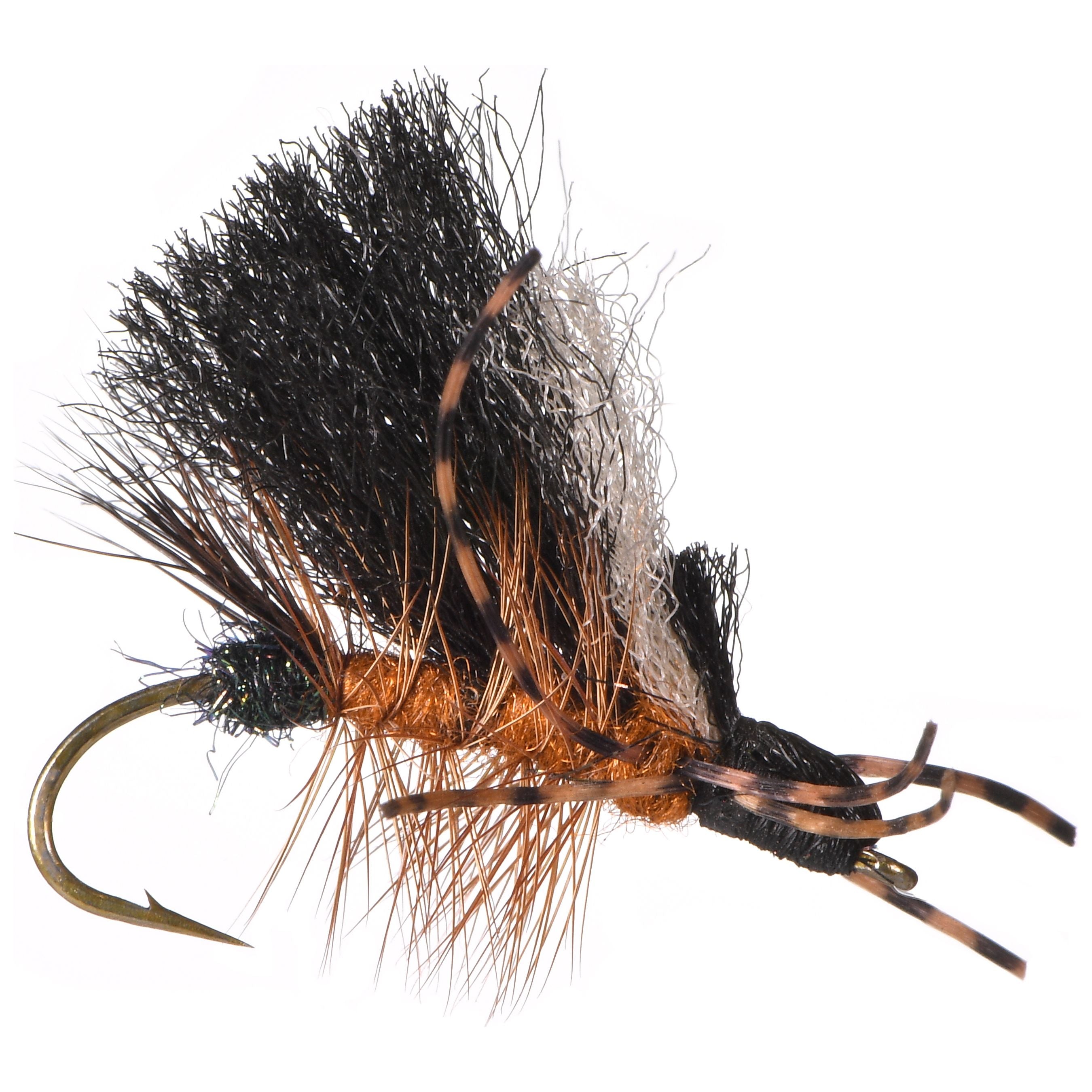
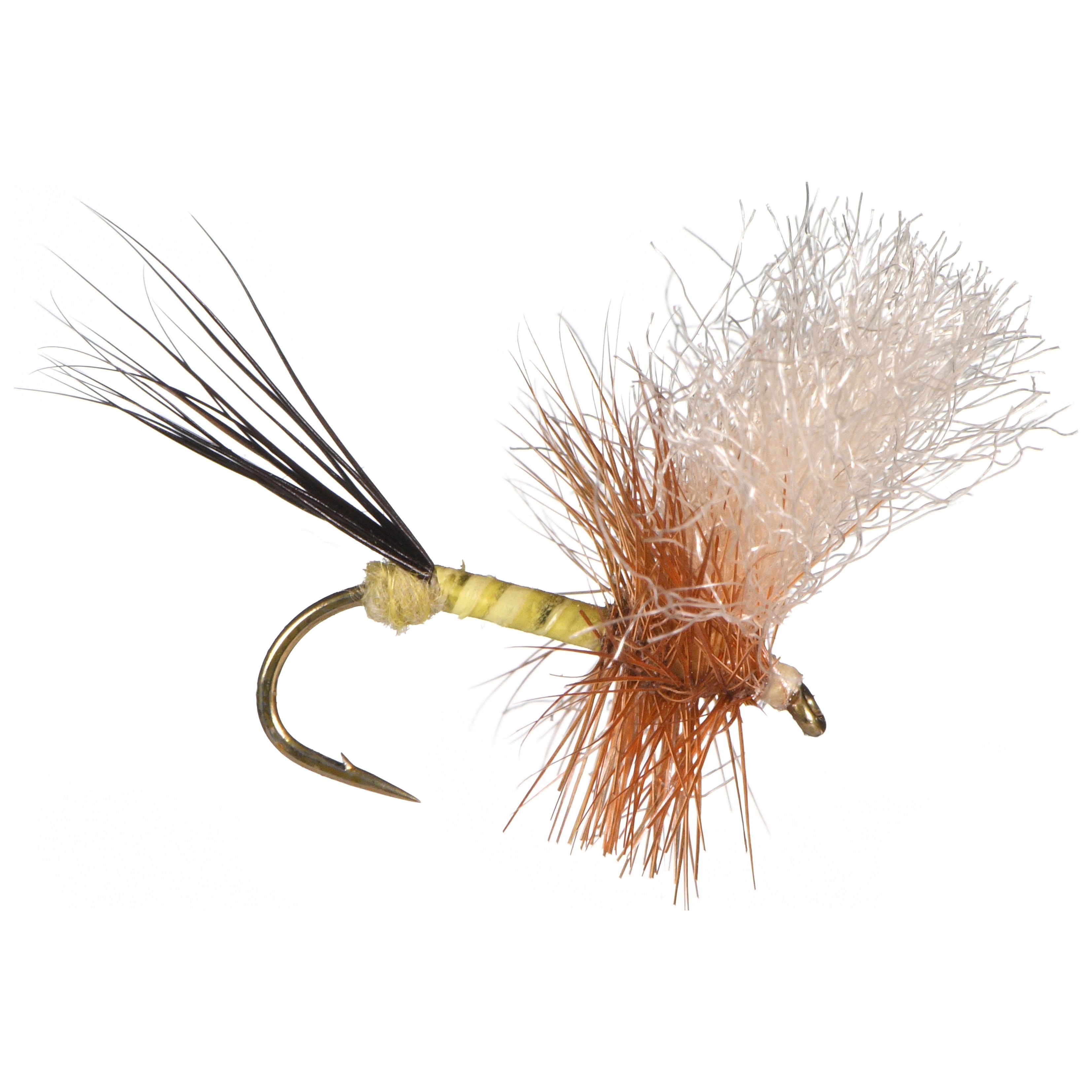
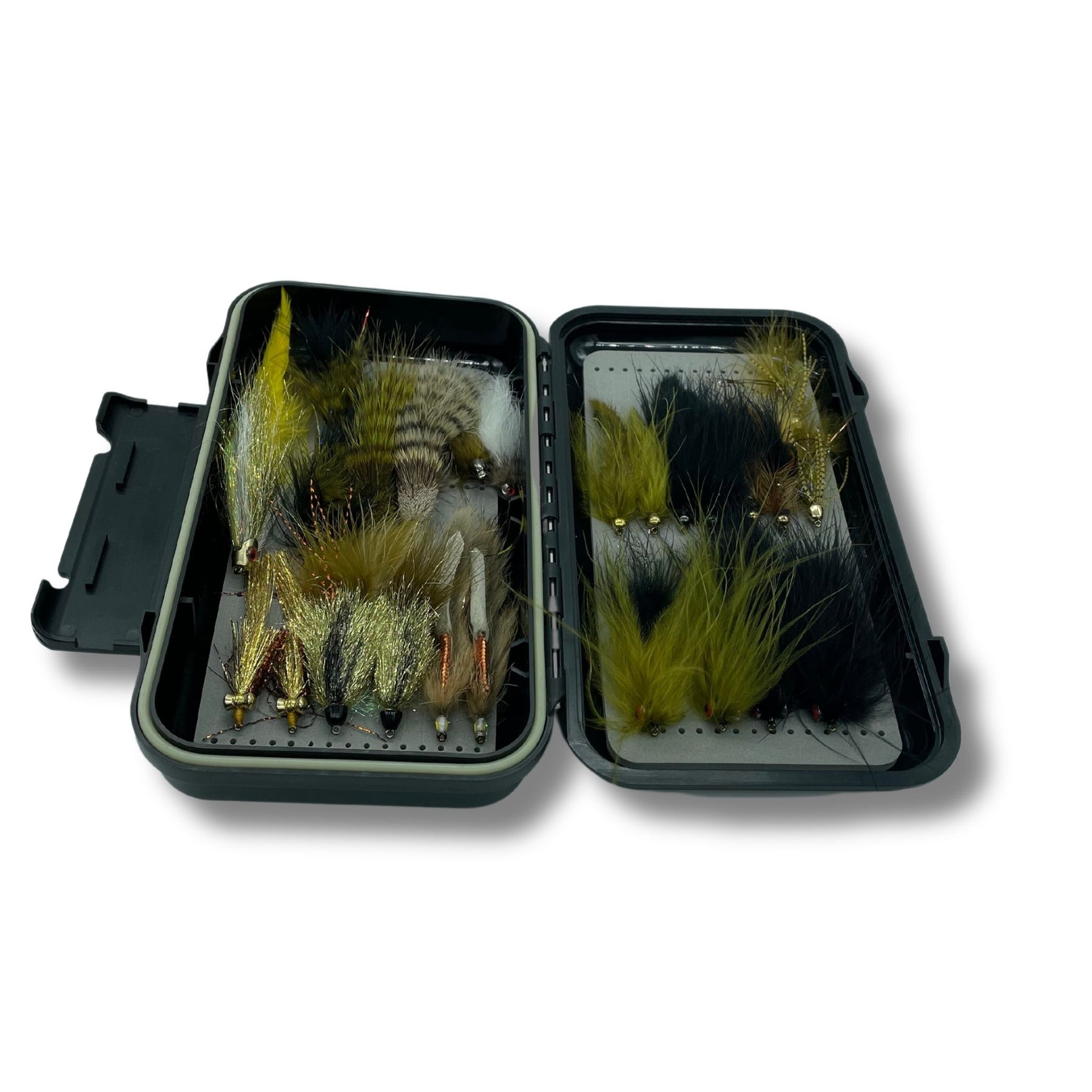
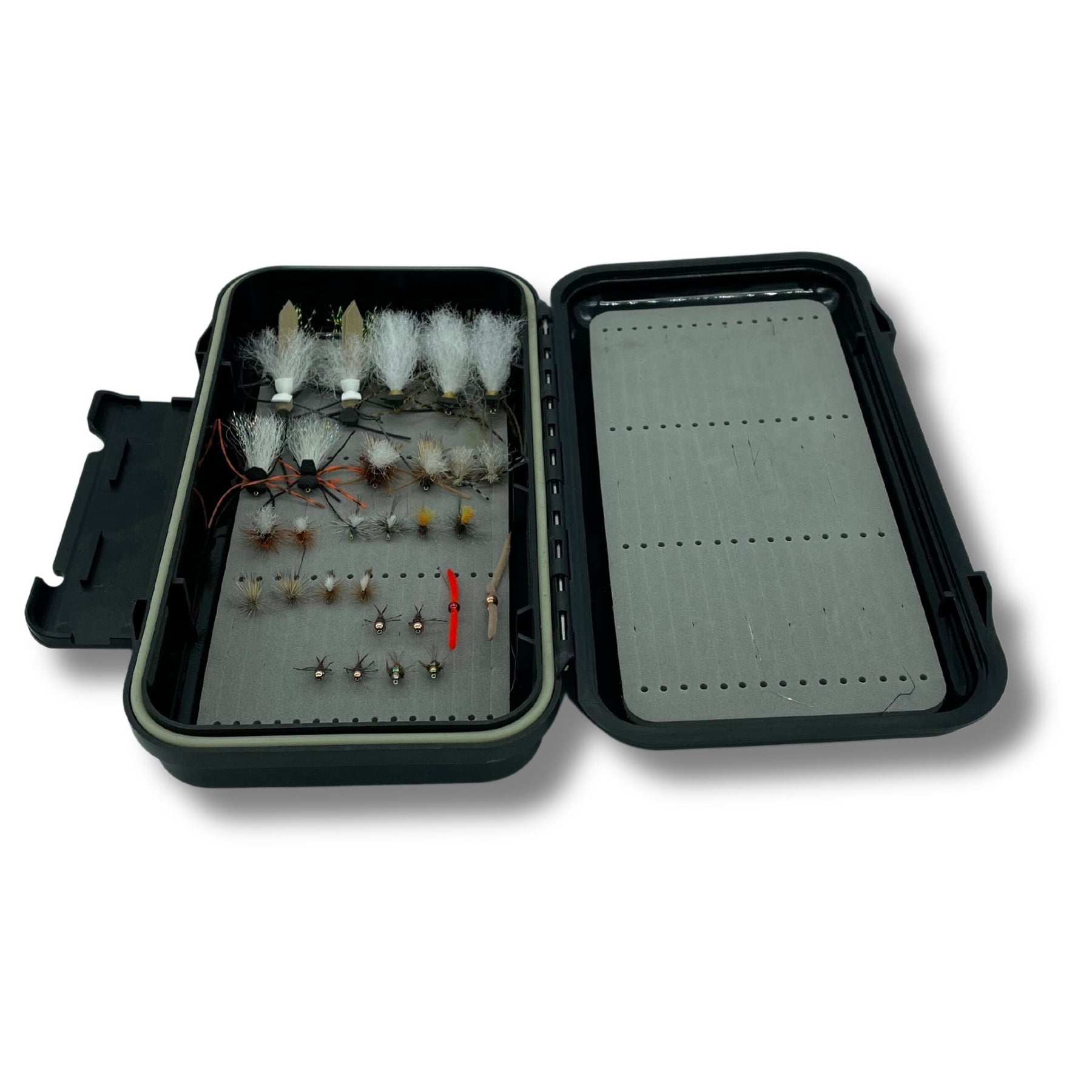
Recent rains have brought flows and turbidity up on the Lamar River and Soda Butte Creek. You can keep a close eye on the Lamar Flows HERE. It may take a day or two, but flows should return to where they were before this most recent rain event. In the meantime, Slough Creek will be a good option, and the timing is right to take advantage of some of the first hatches of fall drakes (Timpanoga hecuba) here. These size 12 mayflies are a great food source for opportunistic cutthroats, and provide some exciting sight fishing with large dry flies like JoJo's Drake Mackerel or Baltz's HiVis Paranymph.
Yellowstone River – Canyon Stretches
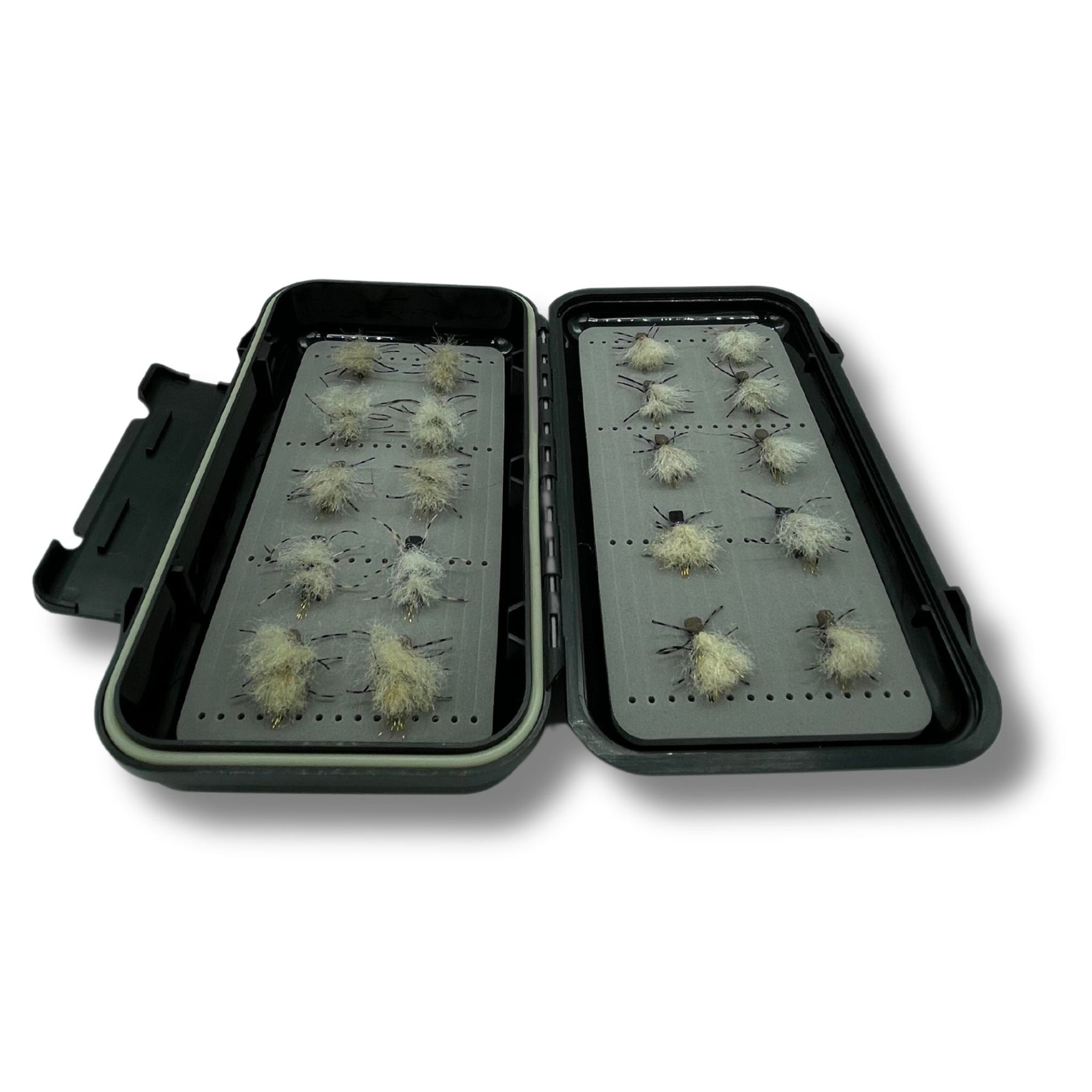
The canyon stretch of the Yellowstone will have some turbidity as well in the area below the Lamar River confluence. Stretches above the Lamar will remain clear and fishing well with hoppers like Pavlovich's Sweet Dreams Hopper.
Yellowstone River – Caldera Stretch
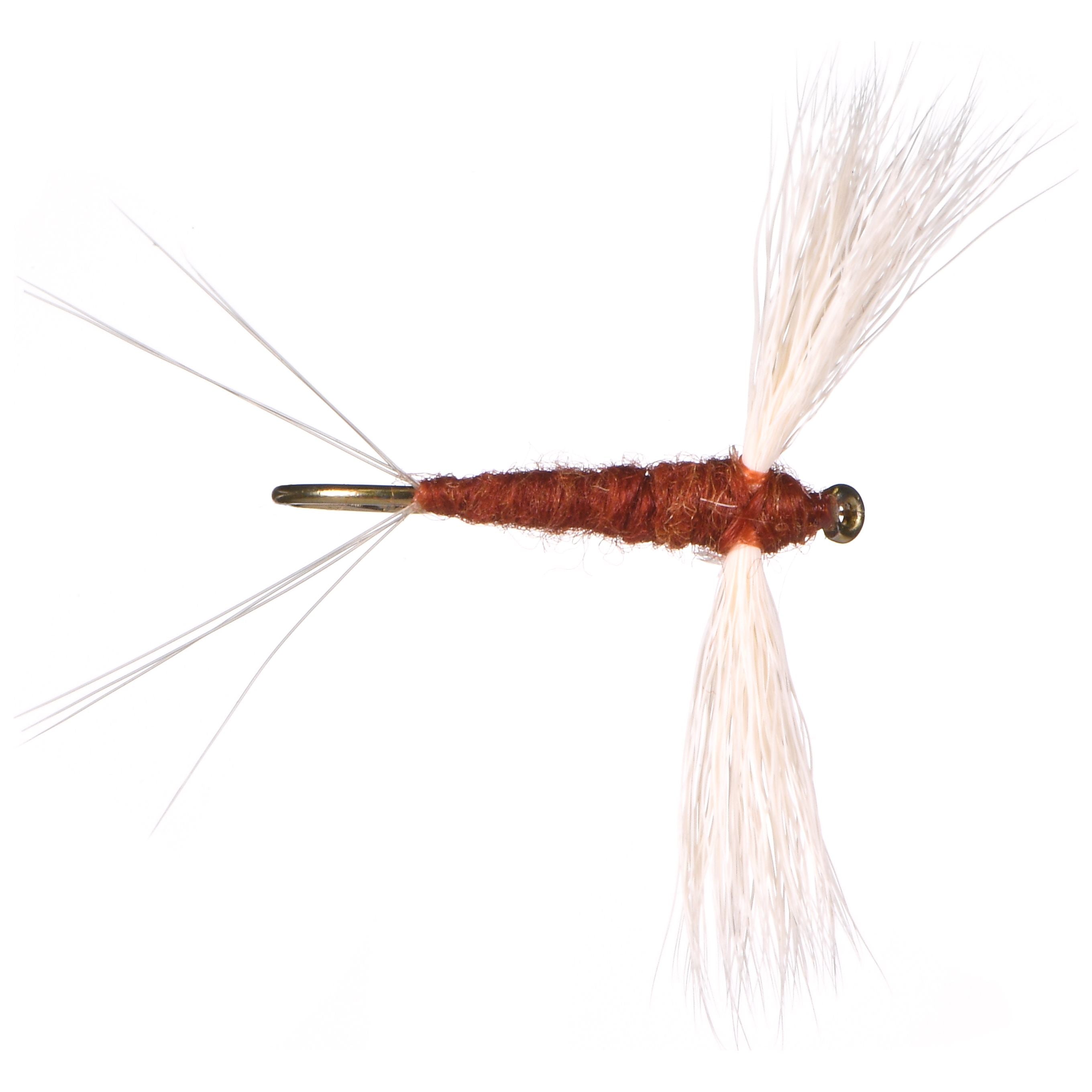
As we transition into September we expect to see an end to what has been a great run of Grey Drakes on the Yellowstone. In their place will be morning spinner falls of a variety of small tricky mayflies, all of which are well represented by size #16-18 rusty and olive spinners like the Copenhaver Spinner. Flying Ants like Heames' Honey Ant and hoppers like KK's Henneberry Hopper are also good flies to put into your sight fishing arsenal, especially as the wind picks up in the afternoons.
Gallatin River
The Gallatin benefited from some cool, rainy weather this week with the start of some fall hatches of Baetis mayflies. As conditions warm back up this week you should find fish looking for hoppers and ants again. These dry fly eats are getting harder and harder to come by as the season rolls on. Increasingly, fish are holding in tighter and sneakier spots. Pay extra attention to undercut banks, and dark pockets below rocks or deadfall. Good drag free drifts are a must here now if you're hoping to fool the biggest of these sneaky fish who have seen plenty of flies by this point in the season. As always on the Gallatin, the best dry fly fishing will be in the late-mornings and afternoons after temps have had a chance to climb. Beforehand, nymph fishing larger runs and pockets can provide fun fishing.
Explore the Backcountry
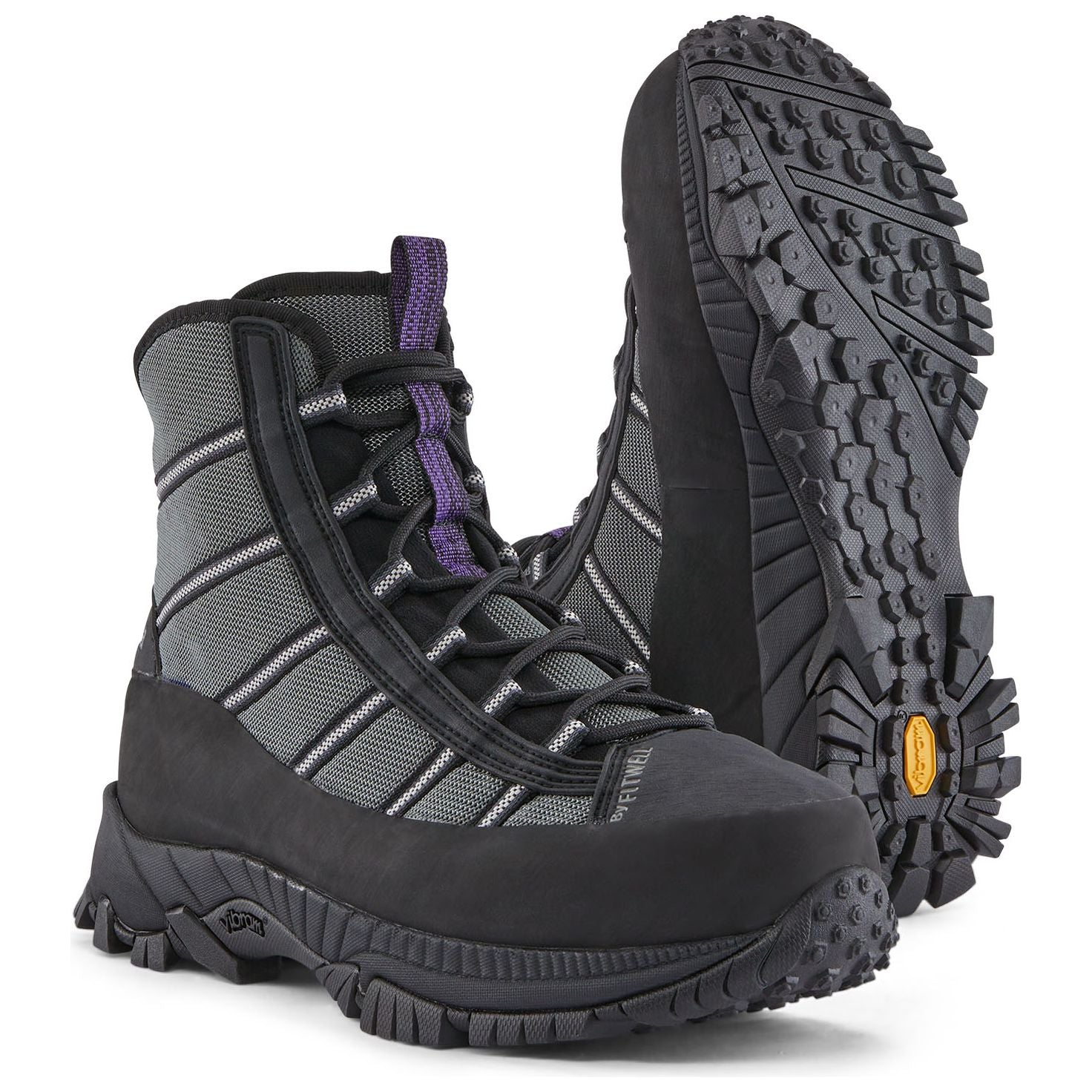
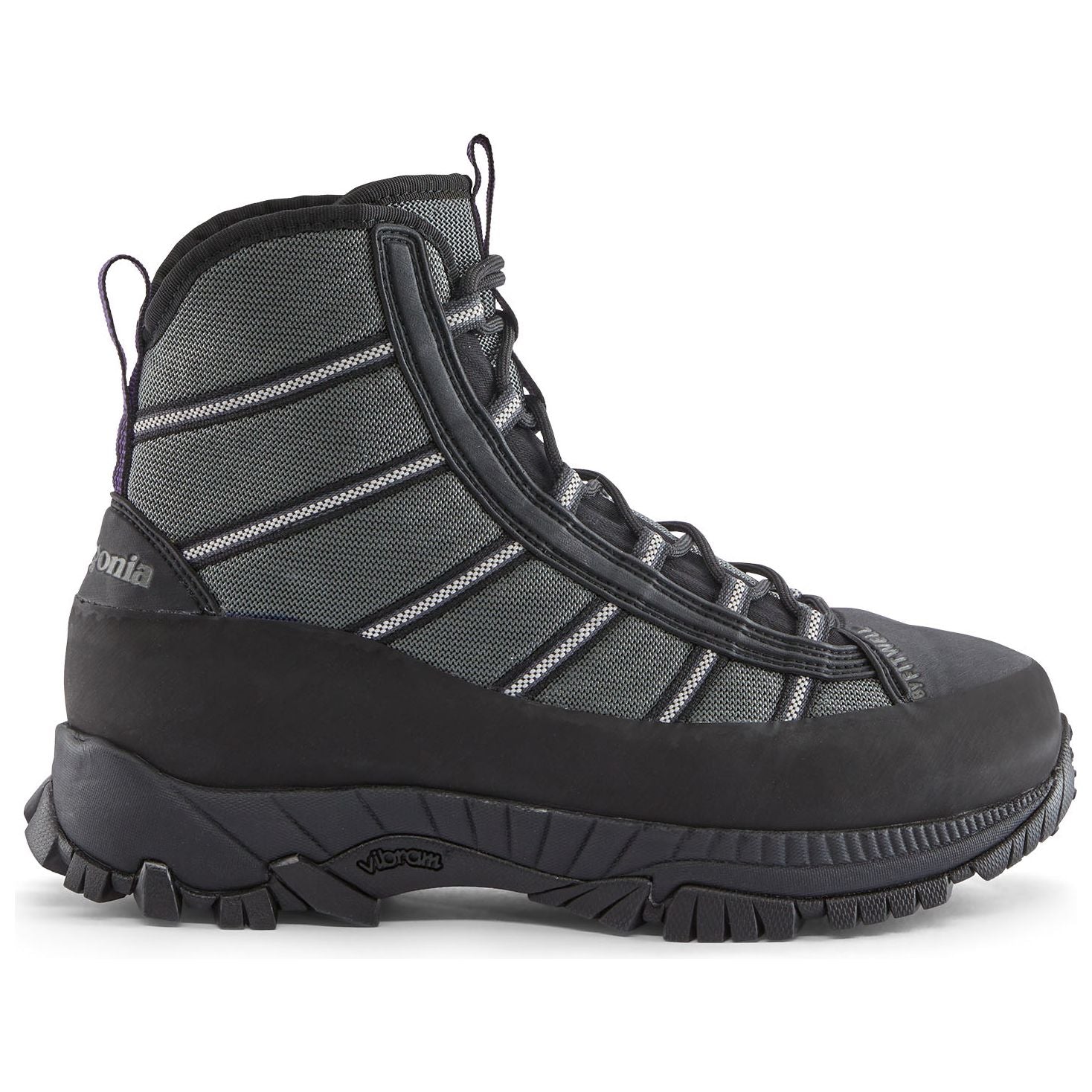
As we enter the start of September, it's still prime time to explore the backcountry of Yellowstone National Park. Trails have dried out, the peak of the biting fly season has passed, and meadows are alive with the buzzing and clicking of terrestrial insects. For anglers willing to lace up their boots and hike into remote waters, few places offer more rewarding opportunities than Yellowstone.
We’ll leave the joy of discovering these hidden gems to you—that’s half the fun, after all. But rest assured, all of our favorite fisheries in the Park begin somewhere in the backcountry. A little time spent poring over a map of these headwaters is almost guaranteed to lead to memorable fishing.
So grab your pack, lace up, and hit the trail. Backcountry fishing in Yellowstone is as much about the journey as it is the fish.
Backcountry Essentials
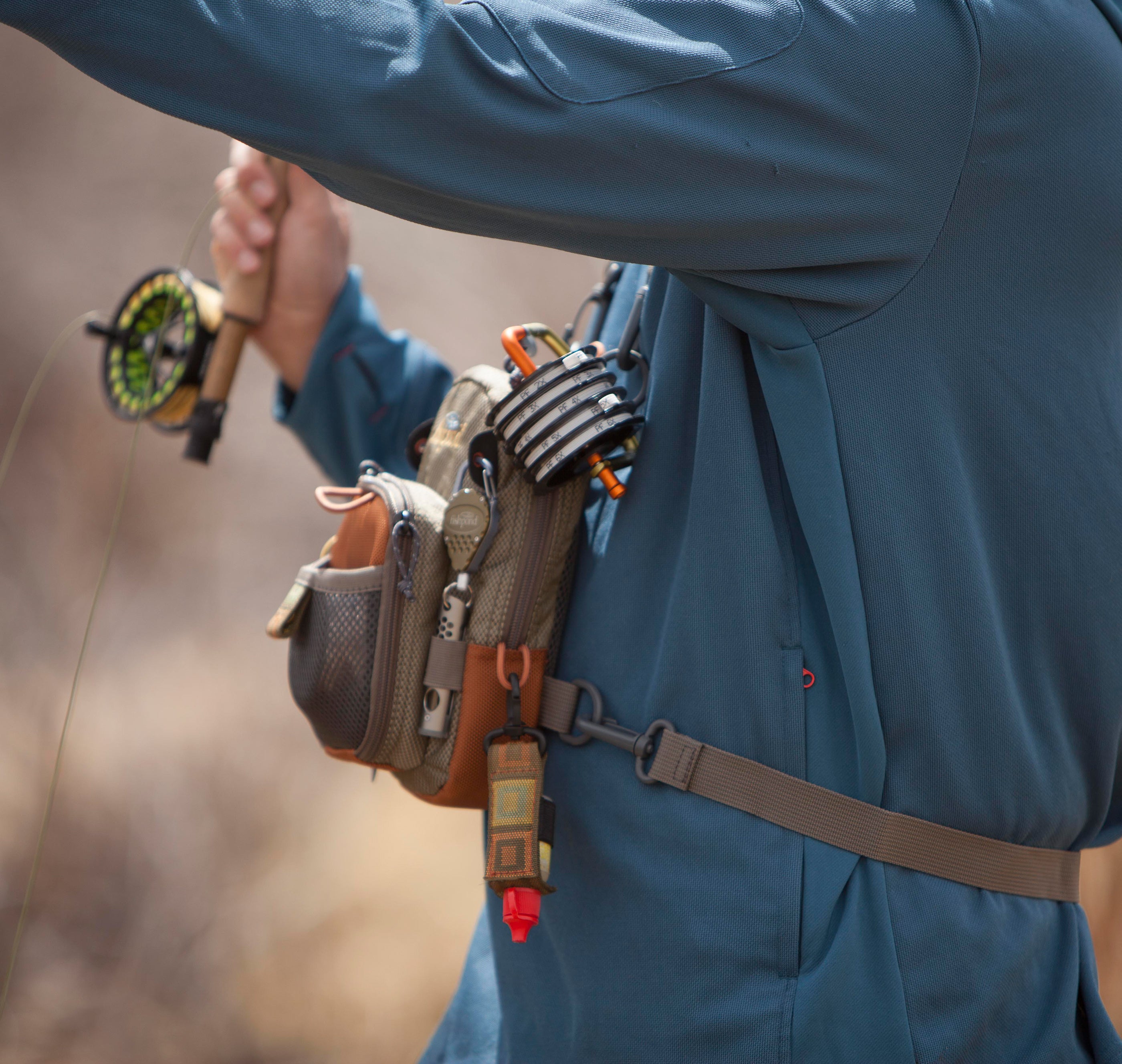
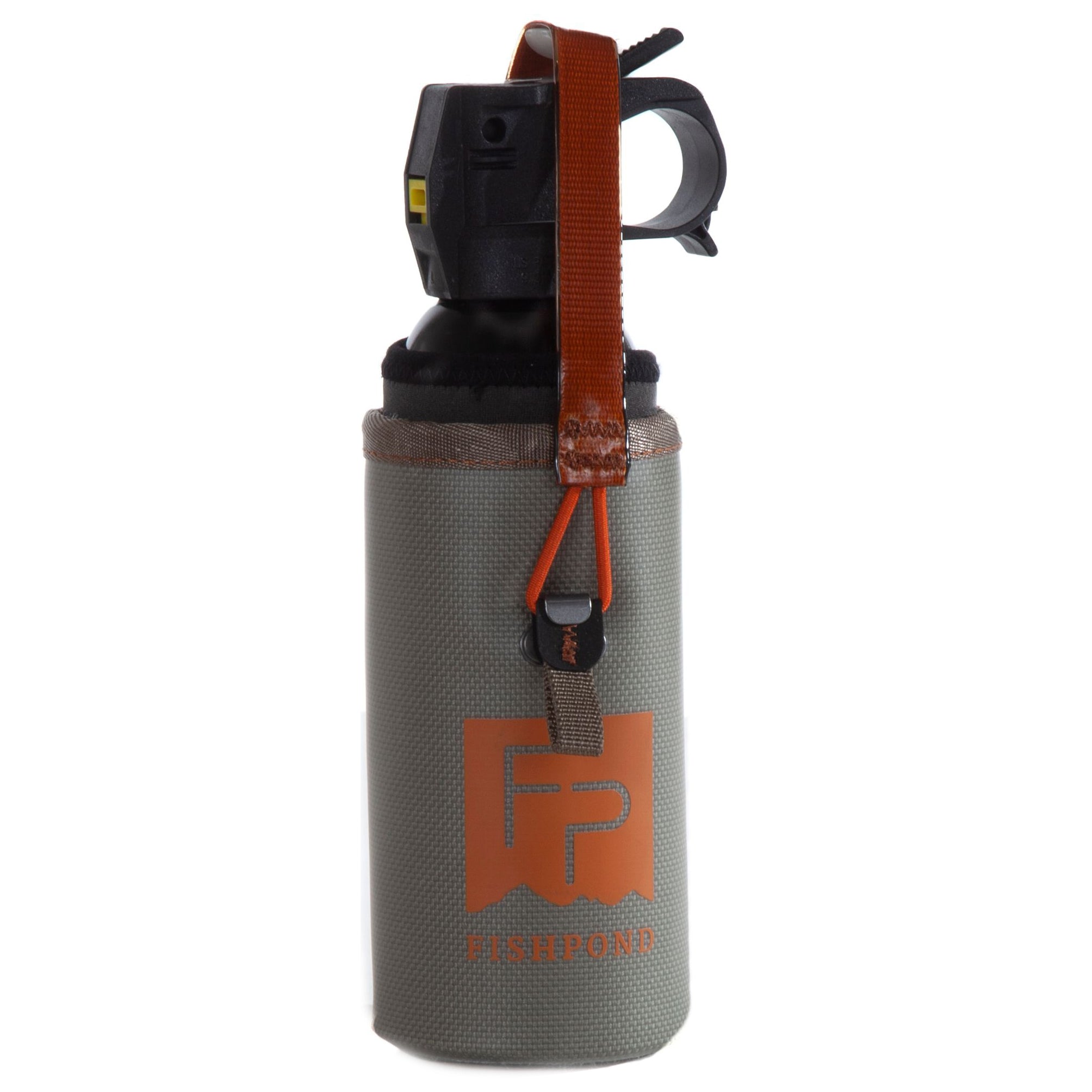
Whenever you venture into the wilds of Yellowstone, be prepared. The backcountry is as beautiful as it is unforgiving. Here’s a basic checklist of essential gear to keep you safe and comfortable:
- Bear spray (and the knowledge to use it)
- Water and/or a water filter
- Sunscreen
- Insect repellent
- Rain jacket
- Extra warm layer (like a lightweight puffy)
- Simple first aid kit
- Emergency snacks
- Map (digital or printed—and know how to use it)
Warm water temperatures and low river flows prompt fishing closures on select Park waters.
Effective Saturday, July 12, 2025, select Yellowstone National Park rivers will close to fishing due to warm water temperatures and low river flows. This closure will protect the park’s native and wild trout fisheries and remain in effect until conditions improve.
What will be closed?
- The Madison River and all associated tributaries.
- The Firehole River and all associated tributaries.
- The Gibbon River and all associated tributaries downstream of Norris Campground.
- The closure will be reassessed when water temperatures cool and flows return to more typical summer conditions.
These rivers naturally experience high water temps in summer as they drain the thermal basins of Yellowstone. We’re glad to see the Park Service taking proactive steps to give these beloved fisheries a rest during the warmest part of the season. Cooler days will return soon enough, and we’ll be back on these waters come fall.
Currently, these are the only waters in the park under restriction, but conditions can change quickly. Be sure to stay tuned for updates from the Park Service here.
As always, check in with the shop for the latest conditions, fly recommendations, and river updates. We’re here to help you stay dialed in for your next adventure!