
Yellowstone National Park Fishing Report - April 30, 2026

Welcome to the 2026 Fishing Report! We’re a bit early this year. Yellowstone National Park made the decision to open several of its best Spring fisheries, the Firehole, Gibbon, and Madison Rivers, on May 1, weeks ahead of the general opener on Memorial Day Weekend. Park enthusiasts are thrilled to have extra weeks of Spring fishing on these iconic waters, and we can’t wait to see what the early season has in store.
We’ve been scouting water conditions on the Firehole, Gibbon, and Madison since park roads opened to vehicle traffic on April 17. We’re pleased to report that conditions are looking good.
It’s been an unusually warm, dry winter in the high country this year. Throughout the West, this was the winter that wasn’t. Fortunately, Yellowstone Country fared better than most of the Rockies. We have seen good moisture throughout April, which added a much-needed boost to our snowpack.
The vast majority of low-elevation snow has already melted, especially in the major geothermal areas through which the Firehole and Gibbon flow. However, a fair bit of snow still remains at high elevations.
Just outside the park on a high plateau that feeds much of the Firehole watershed sits the Black Bear Snotel site. This is our main reference point for snowpack and water conditions in this part of the park, as well as the upper-Henry’s Fork.
Currently, the Black Bear site is reporting 80 inches of snow on the ground and 29 inches of snow water equivalent. For context, last year on opening weekend (May 24), Black Bear had 54 inches of snow and 24 inches of snow water equivalent. In 2024, it recorded 62 inches of snow with 28 inches of water. So, despite the less-than-stellar winter, conditions aren’t looking as bleak as they are in much of the west.
Firehole flows are currently at 250-300 cfs (cubic feet per second), a very fishable level and much lower than the 700-1,000 cfs often seen in May during runoff (the annual period when melting snow significantly increases river volume). The weather directly influences how long these favorable flows will last. If it stays cool, especially when nighttime lows drop below freezing, the snow will melt more slowly, and flows will remain consistent. In contrast, a spike in temperatures into the 60s and 70s will accelerate snowmelt, raising river levels, but the water should still be fishable up to 800 cfs (give or take). Keep a close watch on the weather, as changes in temperature can quickly impact river conditions. You can follow the Firehole River flows HERE.
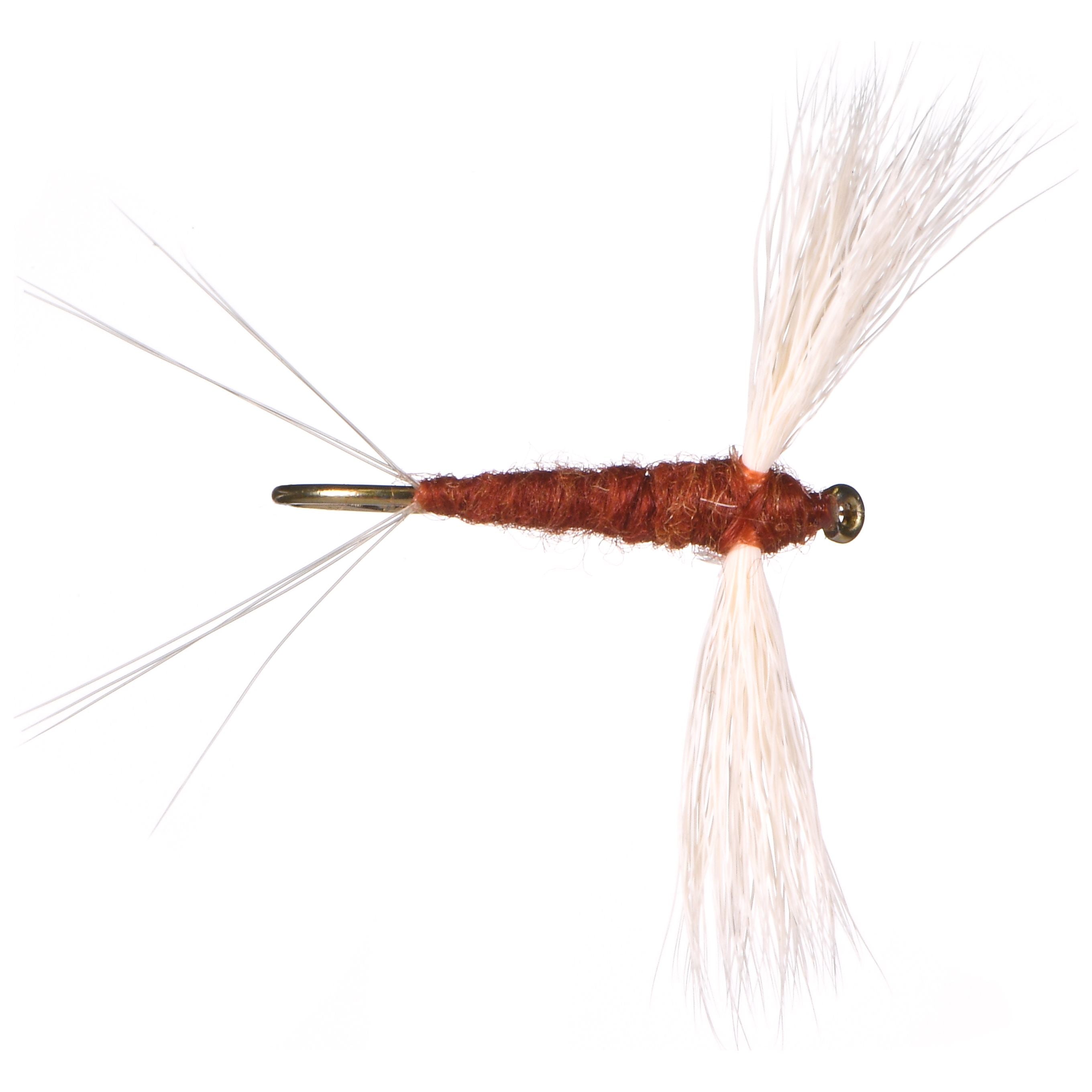
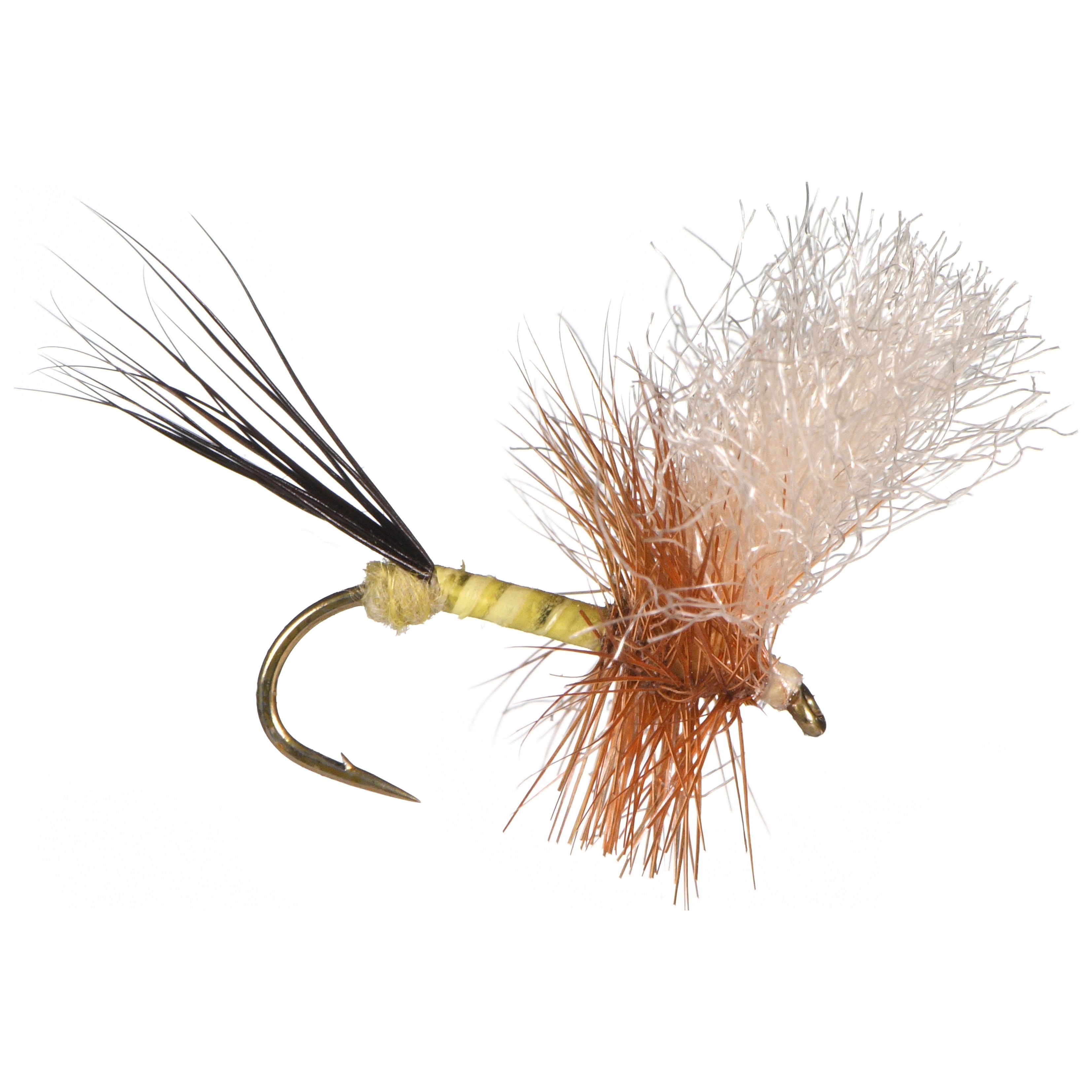
Afternoon hatches of small (size#18-20) baetis mayflies (BWO’s) will be the main driver of dry fly fishing at this early stage of spring fishing on the Firehole, Gibbon, and Madison, and as anyone who has read our reports with regularity will recall, these emergences are best on cool, cloudy days and even better with a bit of precipitation - aka “scuzzy” weather.
The last round of “spring” storms rolled through Yellowstone Country earlier this week, bringing a full dance card of scuzzy conditions - temps in the 30s, wind, rain, and snow. Good hatches of beatis mayflies were observed during these rugged afternoons, especially on the Firehole, and fish took advantage, rising through the snowflakes to eat emerging baetis duns.
For opening weekend, conditions look far more hospitable, if not downright pleasant, with high temps in the 60s and lots of sun. This won’t bode well for blanket hatches of mayflies on the Firehole River, but I expect you’ll still be able to find a fish or two willing to rise to emerging midges and sparse baetis. Late mornings and evenings will be your best times for dry-fly fishing. When the fish aren’t looking up, you’ll be hard-pressed to find a more enjoyable game to play than swinging soft hackles through the numerous riffles and runs.
On the Gibbon River, you can expect to find good dry-dropper and nymph fishing in the pocket water sections below Gibbon Falls. For some afternoon and evening dry fly sessions, head up to the meadow sections between the Falls and Norris Geyser Basin. Numbers of bugs and rising fish will both be limited on bright sunny days, but a little persistence and a slow approach will go a long way towards finding some fun dry fly targets.
The Madison in the park will also offer up limited dry fly opportunities in the mornings and evenings. Again, small (size #18-20) midges and baetis mayflies will be the ticket. Alternatively, this is a great opportunity to grab the trout spey rod and pick up right where you left off last fall, swinging flies. The Madison’s resident browns are great sport in the spring with soft hackles and small streamers - you may even find one of the holdover fish from Hebgen that hasn’t dropped back down to the lake yet.
So, get out there and enjoy these bonus days of spring fishing on the Firehole, Gibbon, and Madison Rivers. As always, drop us a line, or swing by the shop for the latest on conditions, hatches, and flies. Stay tuned for more reports from early-season in Yellowstone, and keep an eye out for the start of the Big Sky Anglers Weekly Fishing Report with thorough information for Yellowstone National Park waters, as well as the Madison and Henry’s Fork Rivers, beginning May 21.