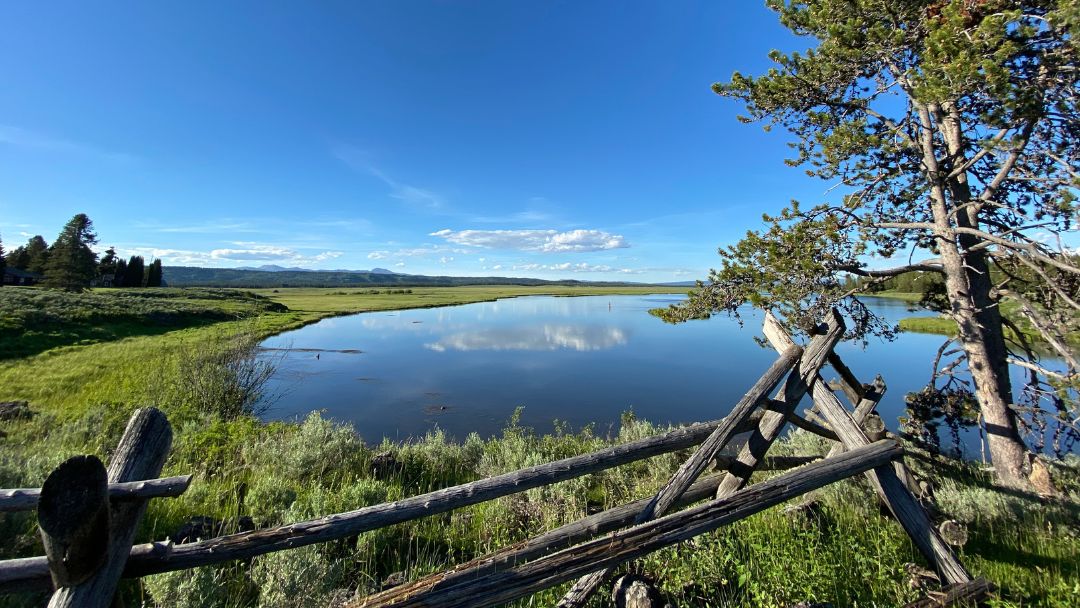


Henry's Fork Fishing Report - June 18, 2026

Henry’s Fork Streamflows
Island Park Dam: 1130 cfs
Ashton Dam: 1690 cfs
St. Anthony: 1220 cfs
Fall River: 411 cfs
It’s pretty hard to go wrong if you choose to fish the Henry’s Fork in the middle of June on most years. This last week was certainly no exception to this general guidance, with generally good reports coming in from top to bottom of the river. While we expect fishing to stay strong on the upper river for the coming period, this coming week just may be the beginning of the turning point for the lower river as our days get warmer and the flows continue to climb out of Ashton Dam, but much will be determined by weather and flow management. Cool water temperatures prevail and higher flows will insulate the lower river from future higher temps, anglers will need to keep a close eye on insects and conditions to make the right decisions.
Box Canyon
The Box is in great shape and moving right along at over 1100 cfs. At these flows, there is plenty of room for trout to spread around and get comfortable, anglers should pay close attention to the depth of water they’re fishing and adjust their rigging accordingly. Indicator nymphing rigs will prevail as the flows continue to increase and keep trout hugging structure and the river's bottom to avoid holding in strong currents. Streamers can be useful during periods of low light, especially mornings and evenings. A healthy supply of tungsten-headed flies, B and BB split shot will all come in handy for nymphing rigs. For insects we are seeing PMDs, caddis, flavs, green drakes, golden stones, and midges, nymphs should be representative of these insects. We like to be sure our boxes have plenty of the following: PTs, Tactical R/L PTs, Split Backs, Rednecks, Hare/Copper, Olive HP Caddis Pupa #14-16; Rubberlegs and 101 Stones #8-12; red and black Zebra Midges #14-20. There are plenty of perdigon variants that will work down there but we especially like the Olive Hot Spot, red Jig Napoleon, Black Dagger, Spanish Bullet, Bullet Quill, Duracell and PMD Bomb #14-18.
Railroad Ranch
The much awaited opener came with pretty good reports overall, I heard a good number of “whoo-hoo’s” from anglers and “ker-plooshes” from trout out there throughout the day. We saw a decent number of good trout rising, most of them were doing so sparsely at times and many were on the move, requiring a stealthy but assertive approach, careful observations and good presentations. Expect incrementally rising water conditions this week which will allow trout to continue to spread out. For insects, plan on the possibility of green drakes, brown drakes, PMDs, flavs and caddis in emergers, adults, and spent/spinner stages as well. A good variety of sizes and patterns makes up the bulk of a well-stocked Ranch box, but we especially like the following at the moment: Harrop’s Last Chance Cripple and Hackled Spinner, Wollum’s Soft Hackle drakes and anything fresh from the vice of Joe Moore that resembles a big green or brown one is a good idea #10-12; Harrop’s CDC Thorax and CDC Biot Emerger Flav, Variant Cripple, Barret’s Flav Spinner and Moore’s Parashuck Flav #12-14; Harrops’s CDC Thorax and Last Chance Cripple PMDs, Heames’ Klinkhammer PMD, Comparadun PMD #14-16; HF Caddis in brown and tan, Iron X Caddis, Partridge Caddis #14-18. A mix of terrestrials big and small will come in handy as well: ants, beetles, and small hoppers all deserve representation in your fly box.
Canyon Country
The reaches above and below Mesa Falls continue to fish well, generally anglers can hope to find decent action on smaller trout with occasional chances at larger ones. Higher flows will push larger trout into more difficult to reach lies and concentrate smaller ones on the fringes. These sections can provide good streamer fishing during periods of low light or in the whitest of the whitewater and they’ll usually deliver an enjoyable mid-summer’s wilderness fishing experience. Dry/Dropper rigs are the most consistent in here, but an occasional indicator rig can come in useful at times.
Warm River to Ashton
This piece of water has been consistently delivering quality days of trout fishing lately. Decent action on smaller and medium-sized trout can be found on most days and often anglers will have a few shots at larger trout as well. PMDs, caddis and the odd golden stone will make up most of the insect activity down here at the moment. Dry, dry/dropper, indicator nymphing, and streamer rigs will all find their place here. Pick your poison and fish the water you want to fish or rig four different rods up and fish it all. Now is a great time to start experimenting with different rigs down here. Fly selections will be about the same as those for the Box Canyon, but be sure to have a variety of Golden Stone dry flies with you and a few extra leeches, both brown and black in addition.
Below Ashton Reservoir
We are likely seeing the end of the hatch cycle down here, but many different bugs can be encountered, so a well-stocked fly box is still a necessity. It’s possible to find trout rising to green drakes, pmds, flavs, caddis, golden stones, yellow sallies down here and you’ll need emergent, adult, and spent/spinner versions of each. Gray drakes are a possibility as well at any time and it pays to be properly equipped. For dry fly anglers, green drakes seem to provide the best action of the day, but hatches can range in duration from 15 minutes to 2 hours. Cloudy conditions will be more favorable than sunny ones, and calmer days moreso than windy ones, depending on your pursuit. Keep an eye on conditions down here to stay in touch with windows of fishy opportunities. Hatch density has been sparse lately but water temperatures are staying relatively cool, so trout are feeding, both above and below the water. Keeping a keen eye out for bugs on the water and subtle riseforms often leads to success.
Get out there and good luck!!