
Henry's Fork Fishing Report - August 21, 2025

Henry’s Fork Streamflows
Island Park Dam: 718 cfs
Ashton Dam: 1270 cfs
St. Anthony: 849 cfs
Fall River: 324 cfs
Turbidity is present throughout the river on a highly variable basis. For information regarding turbidity, check the Henry’s Fork Foundation’s River Conditions page. Click on the “Water Quality” link, then select the monitoring station you’d like to view, selecting “turbidity” at the top of the chart for recent and current conditions. The Foundation is working diligently to understand the complexities of the current situation, but at its core, this is a difficult water year and with a reservoir at 36%, there’s not much clear water upstream to work with. Stay tuned for updates on current and future projects addressing this issue, the good folks at the Foundation are working hard to consider and develop long term solutions to this issue.
In a nutshell, the Henry’s Fork is fishing well in the faster water reaches at the moment provided anglers keep an eye on turbidity. Off color water has become the norm at this time of year, but when the graph shows turbidity above 10 NTUs, most anglers will feel the water is too dirty to fish, at 5-6 NTUs, the water will be visibly dirty, but remain fishable by most anglers’ standards. Slower water reaches have fewer opportunities, and dry fly anglers will generally find better opportunities on other rivers in the Greater Yellowstone area at the moment. Water temperatures and dissolved oxygen content are both at great levels, the fishery remains healthy during these times, but not always conducive to a great day’s fishing.
Box Canyon
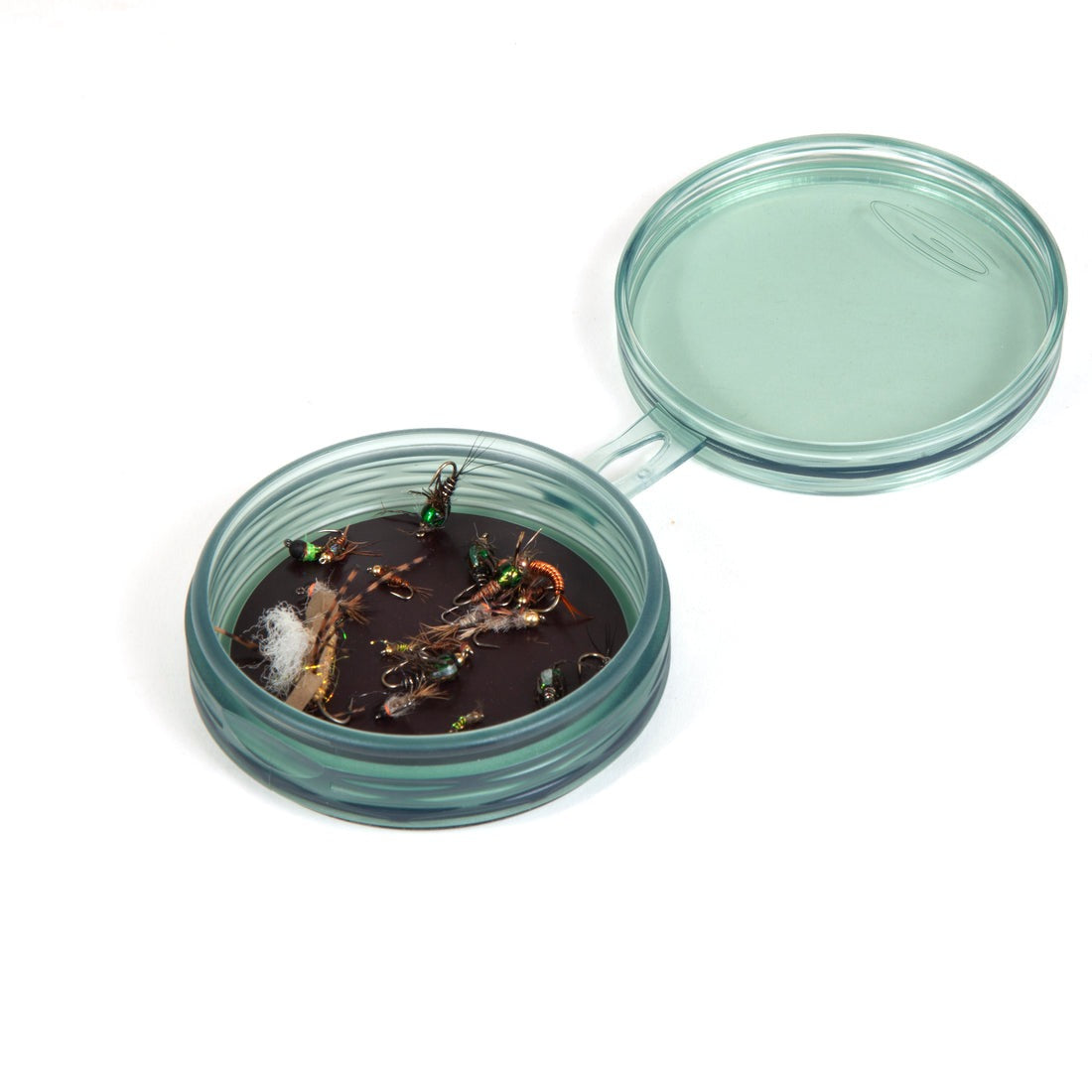
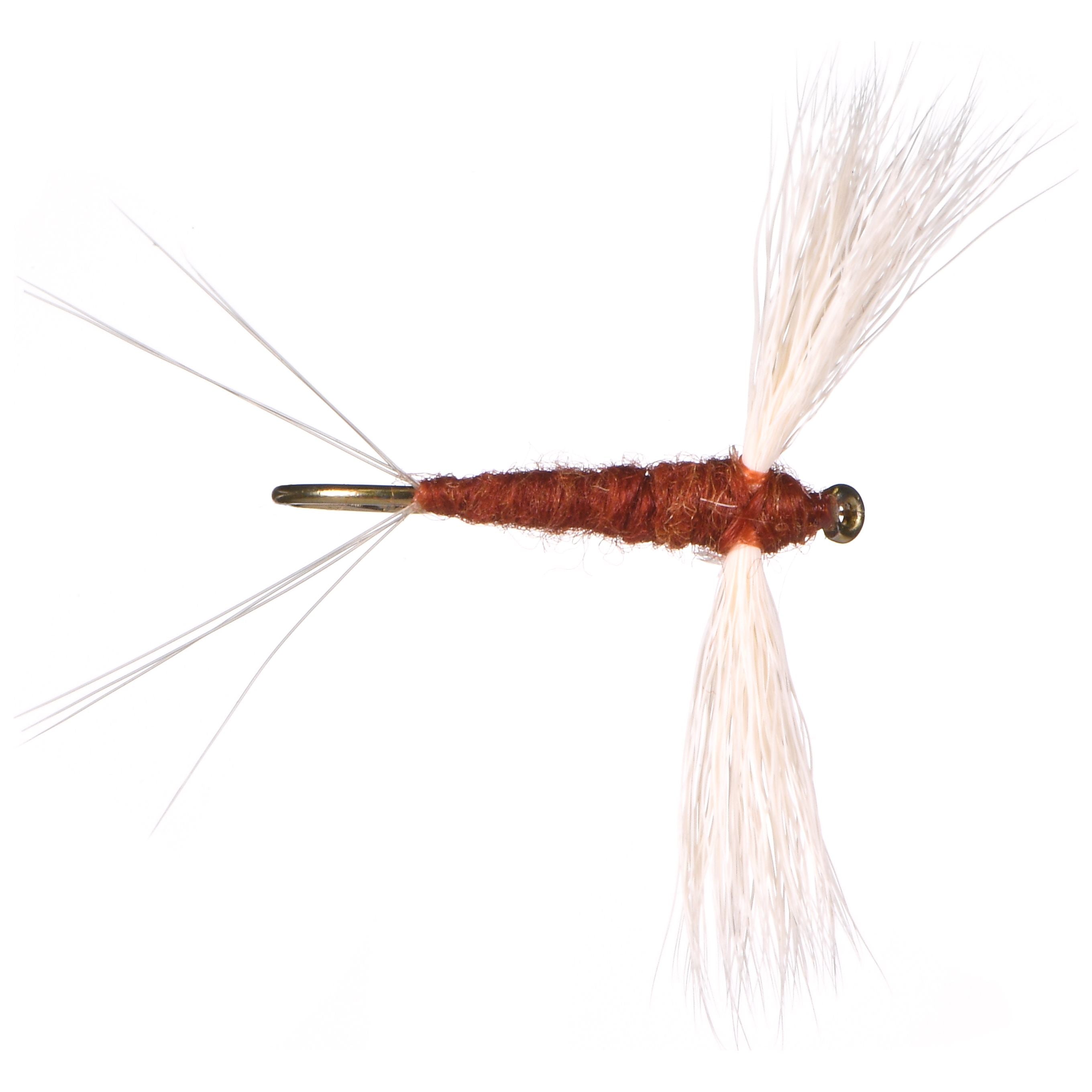
The Box is at a great flow for fishing, but is the closest to the source of the turbidity situation, so a keen eye on the HFF’s website is a must for forays into the canyon. Large spikes are to be avoided, but anything less than 7 NTUs on the graph will be fine for most anglers, especially once they are below the confluence with the Buffalo River. Generally, off color water is ideal for larger flies, black is a good bet, and the use of fluorescents can help your flies stand out as well. Indicator nymphing and streamer fishing remain your best bets for a successful day in here, and hanging a streamer under an indicator is a rig worth considering. We like BSA boufaces #10, Copper Zonkers #4-8, Olive Zonkers #4-8. For nymphs selection: PTs, R/L Tactical PTs, Split Case PMDs, red and brown Zebra Midges and Rednecks #14-18, black Zebra Midges #18-20, HP Caddis Pupa and Hare/Copper SH #14-18, Rubberlegs #8-12 and SJWs #12-14.
Railroad Ranch
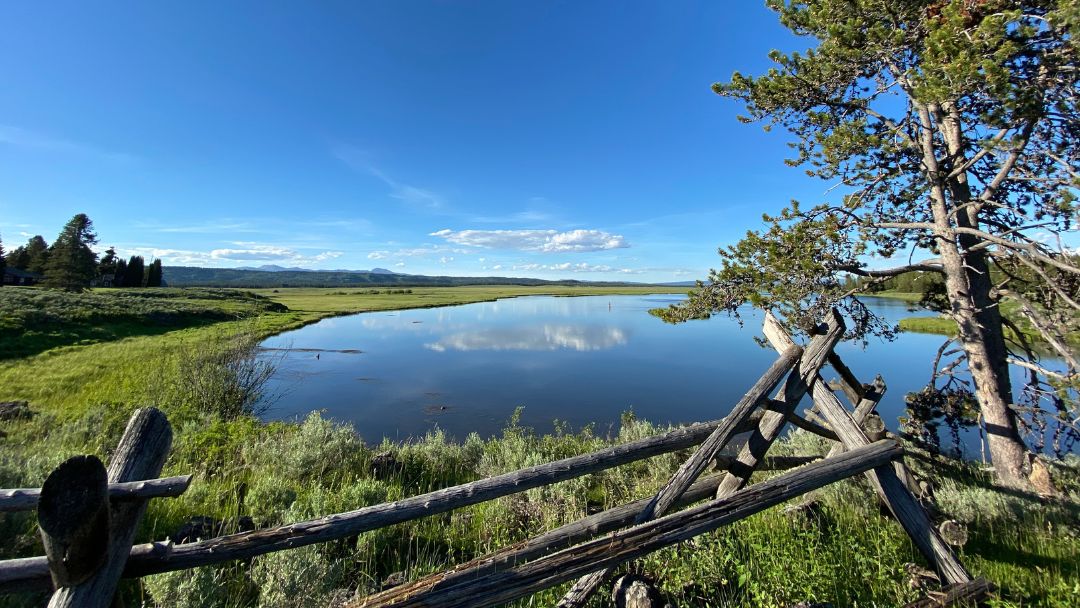
Though we’ve seen a very slight increase in rising fish, targets remain extremely sparse. Anglers will find plenty of solitude and a beautiful setting in which to take their fly rods for a walk, but keep your expectations on the conservative side. Every rising fish is a victory found, do your best to make your shots count. Slightly more stable conditions will be found in areas with spring influence. Small spinners, sparse caddis, flying ants and grasshoppers are the weapons of choice. Tricos and callibaetis are a daily event, more numerous are the former than the latter. Flying ants are around in decent numbers, but they’re not bringing trout to the surface in the way we expect them to, hoppers are present and remain an excellent fly to use to cover a large trout that rises one time or infrequently. Patience and observation will reap rewards, take your time and study the water carefully, targets are sparse and inconsistent at best, August always offers challenging conditions in the Ranch, and this year even more so.
Canyon Country
These sections remain great pieces of water to spend the day in, and usually offer a fun day’s fishing in a remote setting. Large turbidity events can affect fishing in here, but apart from the largest spikes in the graph, anglers can expect to find a reasonably fun day of fishing in here. Dry/dropper rigs are the norm, but streamers are an excellent way to target fewer but larger trout. A hi-viz dry fly with a stonefly nymph or large beadhead underneath will usually provide enough action to engage most anglers. A heavy streamer on a floating line is our streamer rig of choice, with a mixture of dead drifting, stripped and dead-lined presentations. As ever, a raft and some skill on the oars should be considered a requirement for forays into these sections.
Warm River to Ashton
This is likely the most consistent piece of the river at this time, plenty of fun days are being had down here, but keeping an eye on the graph for the largest spikes in turbidity is a good idea, it can take almost 12 hours for water from Island Park Dam to reach these waters, so a quick factoring in of that delay will help anglers make good choices. The Warm River brings lots of clean and cold water into the system, helping with both turbidity and temperatures. Dry/droppers, streamers, and indicator nymphing rigs will all produce results down here. Fly selections should mirror those for the Box Canyon. These are the early days of brown trout considering their annual sojourn to reproduce, at this time there are a handful of browns getting colored up and beginning to move. The water type down here is conducive to several kinds of lines, and you might consider bringing along a sink tip or two to ply around some of the deeper waters.
Below Ashton Dam
The lower river is still something we aren’t fully focused on, but there are some opportunities down there for anglers who aren’t interested in quantity. Morning and evening forays will be best and after noon you’re on your own! Hot sunny days are not the ideal down here, but cooler weather in next week’s forecast may create some limited opportunity. Streamers, hoppers, and nymphs can all produce results, time of day is the largest factor to consider.
Good luck out there!